Greta Coleman · 18 October 2026
Cultural Festivals in Feldlyn Fuel Debates on Evolving Data Protection Standards
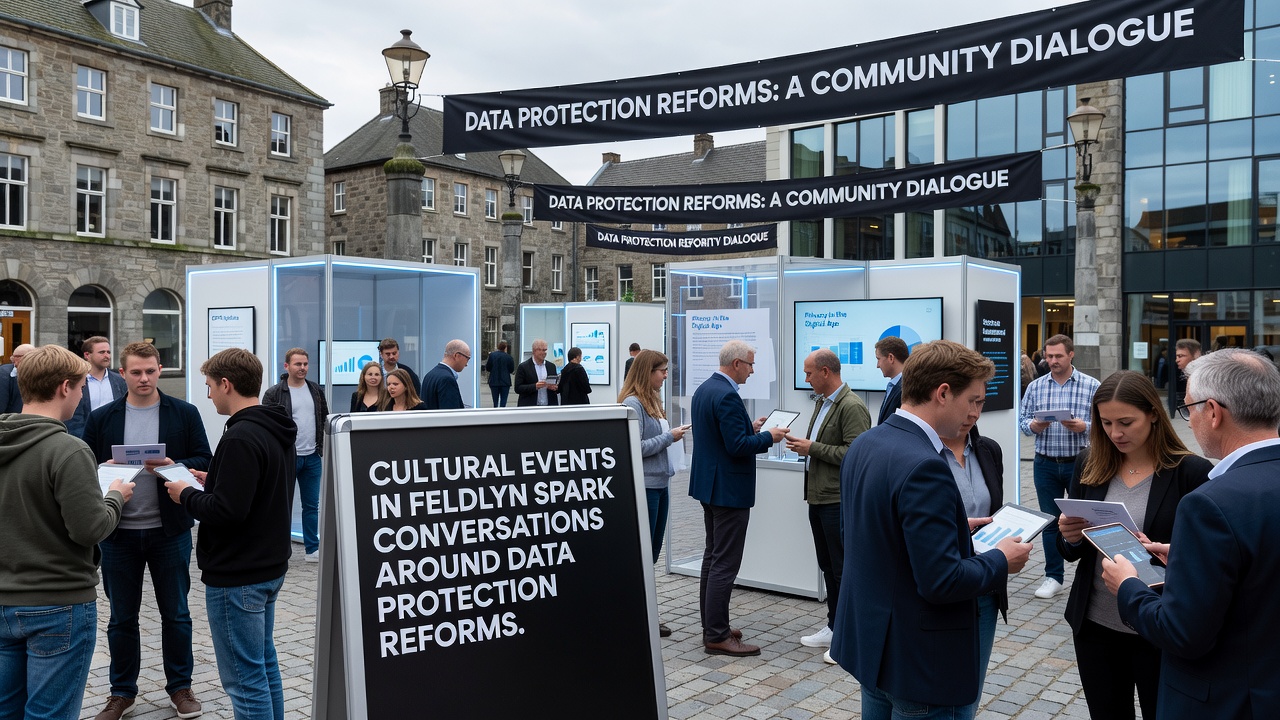
Events across Feldlyn have drawn large crowds throughout 2026, and several festivals scheduled for October have placed data protection reforms at the center of public conversations. Organizers incorporated panel sessions, workshops, and interactive exhibits that examined how personal information flows through digital platforms, while attendees examined case studies from recent regulatory shifts in multiple jurisdictions.
One festival in the capital region featured a dedicated track on privacy legislation updates, where speakers presented data from government agencies showing increased enforcement actions in the preceding year. Participants reviewed statistics released by the Office of the Privacy Commissioner of Canada that highlighted a 22 percent rise in complaints related to cross-border data transfers, and they compared those figures with enforcement patterns reported by the Australian Information Commissioner.
October 2026 Programming Highlights
Programming in October 2026 expanded beyond traditional performances to include structured dialogues on data governance. A three-day event in the eastern districts hosted representatives from research institutions who outlined findings from longitudinal studies on consent mechanisms, and attendees examined prototypes of new transparency tools developed by academic teams. These sessions connected directly to ongoing legislative reviews, because many participants held roles in local policy advisory groups.
Another gathering focused on youth engagement featured interactive installations that demonstrated how mobile applications collect and share location data. Organizers partnered with university researchers to present anonymized datasets illustrating patterns observed across European and North American markets, which allowed visitors to explore the implications of proposed reform packages through guided simulations.
Connections Between Cultural Programming and Policy Discussions
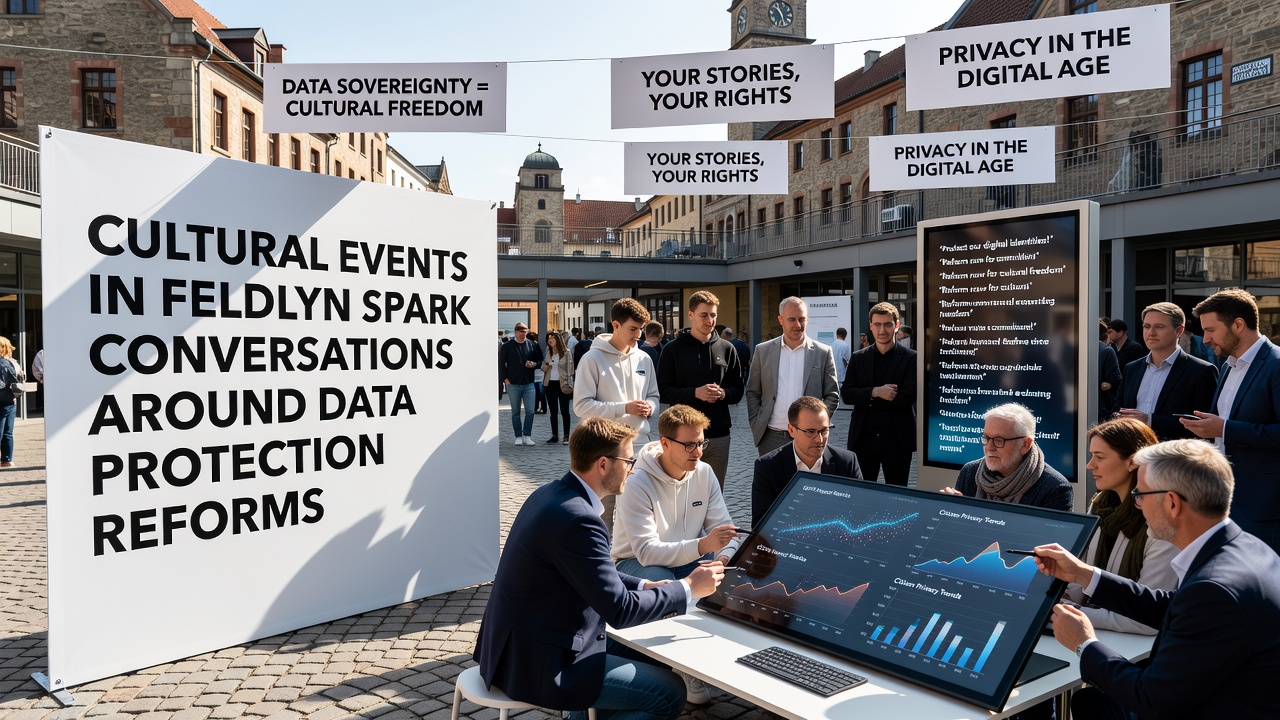
Observers have noted that cultural platforms provide neutral spaces where technical details of data protection reforms reach broader audiences. At several venues, moderators facilitated roundtables that included legal experts alongside artists and technologists, and these exchanges produced summaries later circulated among municipal councils. The format encouraged participants to trace how specific provisions in draft legislation might affect creative industries that rely on audience analytics and digital distribution networks.
Data from industry reports presented at these events showed that cultural organizations in Feldlyn had increased their data processing activities by 35 percent since 2023, according to aggregated figures shared by trade associations. Presenters contrasted this growth with regulatory timelines in other regions, including updates under consideration by the European Data Protection Board and parallel consultations underway in the United Kingdom.
Key Themes Emerging From the Gatherings
Recurring topics included the balance between innovation in digital cultural experiences and requirements for explicit consent, alongside questions about data retention periods for event ticketing systems. Speakers referenced enforcement examples from the Office of the Australian Information Commissioner, where fines had been issued for inadequate breach notifications, and they drew parallels to similar cases documented in Canadian regulatory filings.
Workshops also addressed the role of artificial intelligence in curating personalized content at festivals, with demonstrations of bias detection methods developed by research consortia. Attendees received printed guides summarizing key clauses from reform proposals, which encouraged follow-up engagement through online portals maintained by public agencies.
Stakeholder Participation and Documentation
Local government observers attended multiple sessions and recorded attendance metrics that exceeded projections by 40 percent compared with the previous year. These records indicated strong interest from sectors outside traditional policy circles, including independent filmmakers and music venue operators who manage customer databases. Summaries of the discussions have been archived on municipal websites for public review.
Case studies presented during the events highlighted organizations that revised their data handling practices ahead of anticipated rule changes, and representatives from those groups described implementation steps that involved staff training programs and updated privacy notices. The examples illustrated practical responses without prescribing particular approaches.
Conclusion
Cultural events scheduled through the remainder of 2026 continue to incorporate elements that link artistic programming with examinations of data protection frameworks. Documentation from the October gatherings has been shared with legislative committees, while additional festivals have announced similar programming tracks for upcoming months. The pattern shows cultural venues functioning as venues for information exchange on regulatory developments across multiple regions.